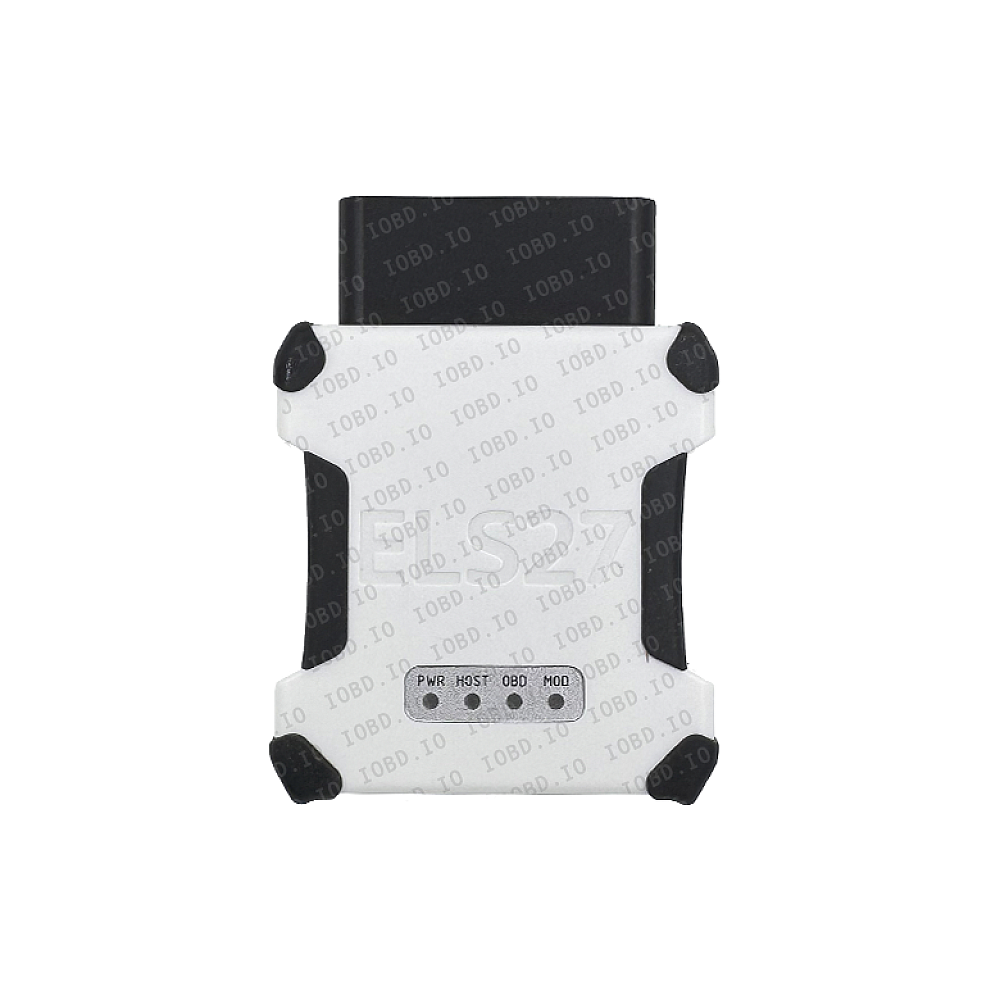
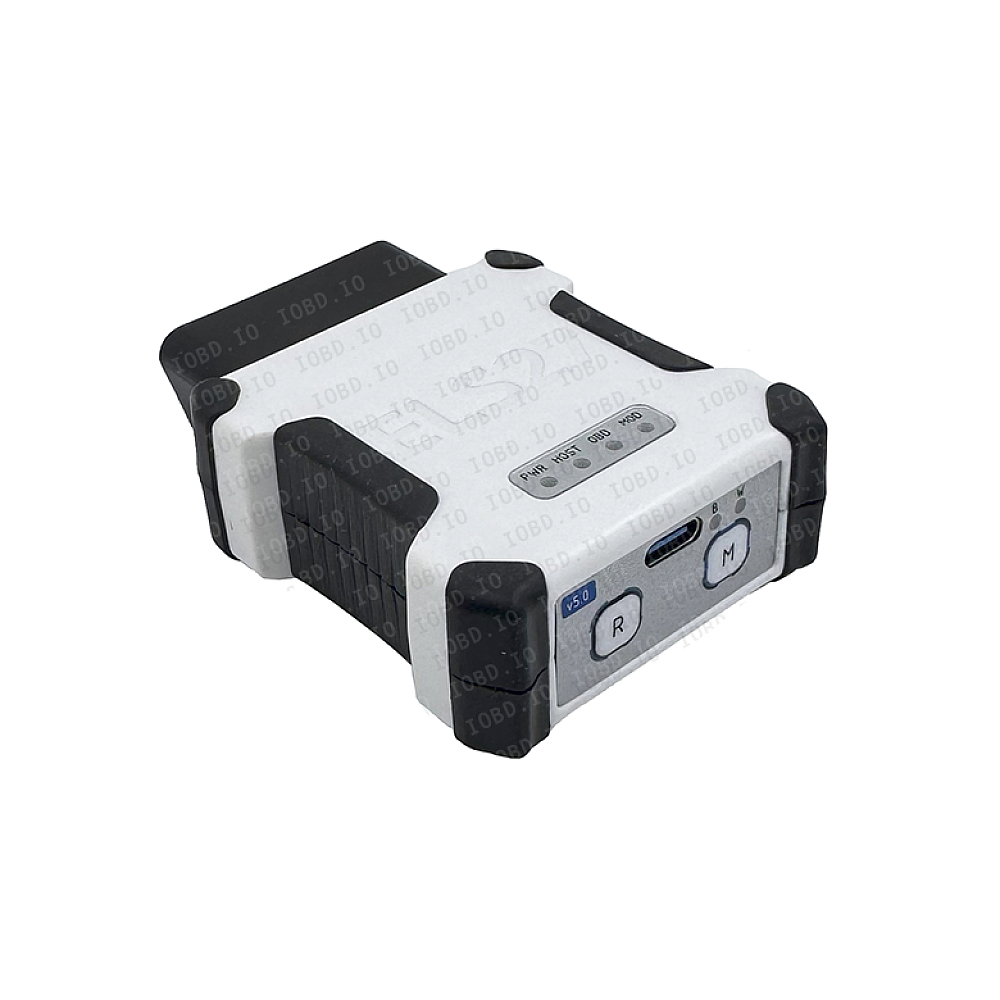
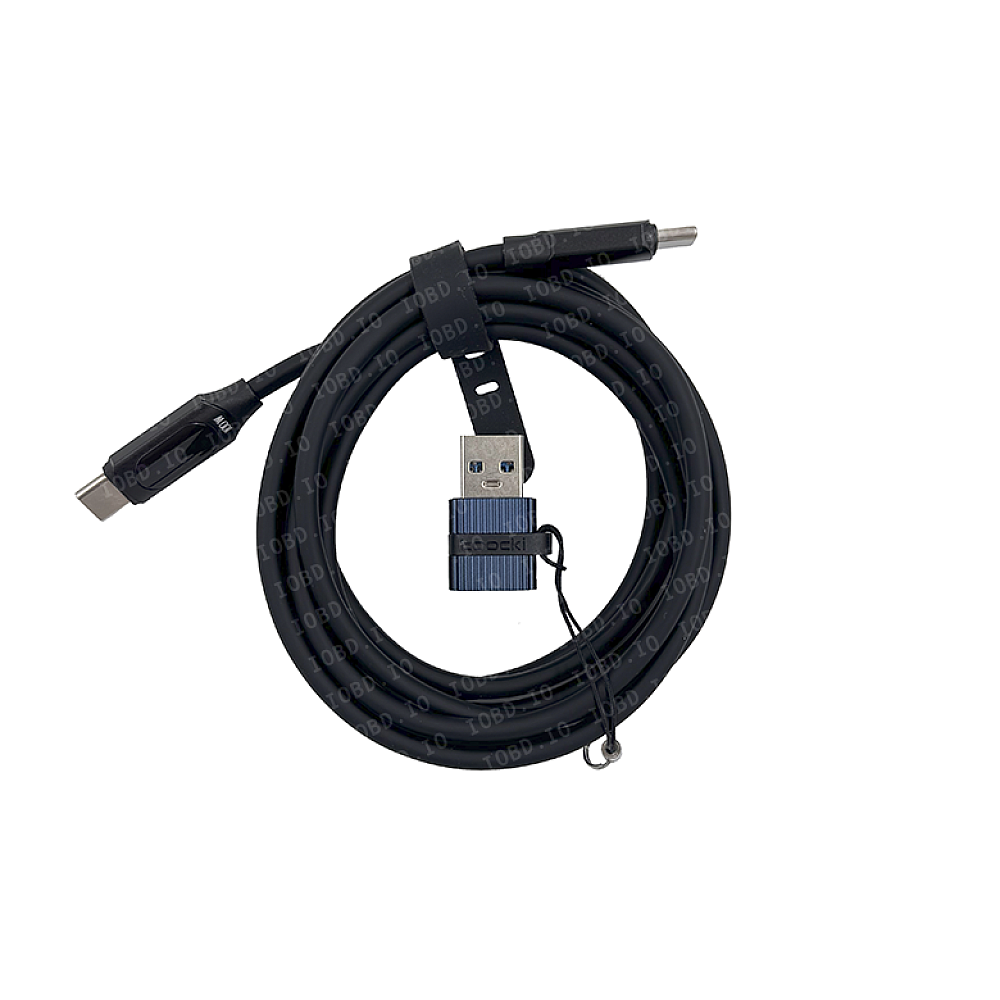
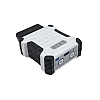
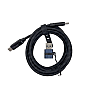
Original ELS27 Adapter – High-Speed OBD2 Scanner for Ford/Mazda ECU Programming
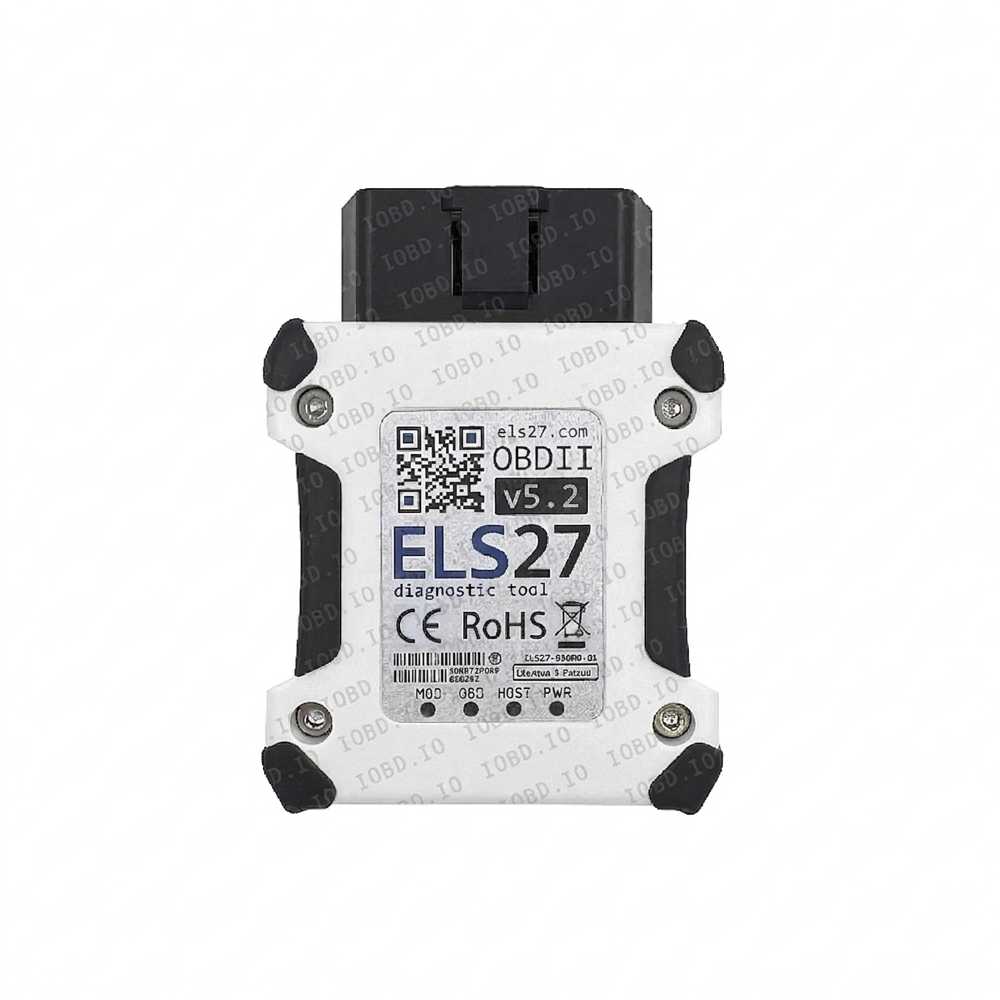
The ELS27 original adapter is a professional-grade interface engineered for advanced diagnostics, coding, and ECU programming on Ford, Mazda, Lincoln, and Mercury vehicles. Designed as a superior ELM327 alternative, it delivers significantly higher stability and throughput, making it ideal for both workshop environments and experienced DIY users.
When purchasing with a wireless module, the module will be installed in the device.
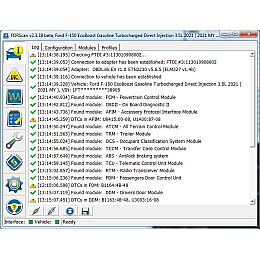
Unlike generic adapters, the ELS27 v5.2 is purpose-built for seamless integration with the FORScan diagnostic tool, ensuring accurate communication across vehicle modules with no signal drop during critical operations
What’s New in ELS27 v5.2 (Evolutionary Update)
While maintaining the legendary stability of the v5.0 series, the updated ELS27 v5.2 introduces several critical hardware refinements designed for professional-grade diagnostics and long-term reliability.
Key Hardware Improvements:
- Optimized CAN-Bus Architecture (OBD Pins 6/14): In the v5.2 revision, the primary CAN bus (Engine Control Unit bus) is now connected directly to the transceiver. This alignment with "best-practice" circuit design ensures maximum signal integrity and enhanced stability during high-load operations like ECU flashing or real-time data logging.
- Enhanced Multi-CAN Support: The ELS27 v5.2 continues to lead the market in versatility, supporting CAN-bus communication on a wide range of OBD pin combinations (HI/LO). This makes it compatible with an even broader spectrum of vehicle modules:
- 3-11 (Default configuration)
- 1-8, 12-13, 13-12, 1-9, 3-8
- New Blue "B" LED Indicator: We have redesigned the power rail for the "B" status LED. Unlike the v5.0, where LEDs were powered by 3.3V (insufficient for Blue LEDs), the v5.2 features a corrected voltage supply to ensure a bright, clear blue light for better visual feedback during operation.
- Intelligent Flashlight Management: The built-in LED flashlight is now smarter. To save power and avoid distractions, the light automatically switches off as soon as the adapter detects power from the OBDII port.
Key Features & Technical Specs:
- Full HS-CAN / MS-CAN Support - Automatic switching between networks—no manual toggle required, ensuring uninterrupted diagnostics across all modules.
- High-Speed Performance (Prolific PL2303GC) - Advanced STN2120 chip enables a high-speed baud rate, delivering faster data transfer and reduced latency during coding and flashing.
- Optimized Software Compatibility - Fully compatible with FORScan, STool, ELMConfig, FoCCCus, ELM config, ELM-FFn and MazdaEdit for comprehensive vehicle access.
- Stable FTDI Interface - Integrated FTDI interface guarantees a stable connection, minimizing risk during ECU programming and firmware operations.
- Firmware Update Capability - Future-ready design supports adapter firmware updates for ongoing compatibility improvements.
Capabilities
- Read and clear Diagnostic Trouble Codes (DTCs)
- Execute service functions (DPF regeneration, battery registration)
- Perform advanced coding and module configuration
- Enable hidden features (e.g., global window control, TPMS settings)
- Conduct safe ECU programming and module firmware updates
Why Choose ELS27?
The ELS27 stands apart as a professional OBD2 scanner for Ford/Mazda, built for reliability under demanding conditions. Its robust communication stack ensures no connection drops during sensitive procedures like flashing or configuration changes. With upgradeable firmware and precise CAN handling, it is a future-proof diagnostic tool trusted by technicians who require consistent performance.